info@lakevikingconstruction.com
 +1 (660) 218-1515



Buyer's Guide for Exterior Siding
Lake Viking Construction Team
Beyond enhancing your home’s architectural style—whether it's a modern cabin or a traditional build—exterior siding serves as your first line of defense against harsh weather. Choosing the right material not only protects your family and boosts your property value, but it also defines the level of maintenance your home will require for years to come.
At Lake Viking Construction, we know that starting an exterior renovation project can raise a lot of questions. That's why we’ve put together this comprehensive guide to help you make the best decision based on your budget, local climate, and personal style.
Key Factors to Consider When Choosing Your New Siding
Before falling in love with a color or finish, it’s essential to evaluate the following aspects:
- Local Climate: Does the material withstand the extreme wind, humidity, or temperature swings in our area?
- Architecture: Does it complement your home's style and comply with local building codes?
- Maintenance & Durability: Does it require constant painting, or is it easily cleaned with a pressure washer?
- Cost vs. Lifespan: What is the initial investment, and what kind of manufacturer warranty is included?
Expert Tip: When requesting an installation quote, make sure the contractor clearly itemizes the cost of materials versus labor, as well as any fees for debris removal and dumpster rentals.
Types of Siding: Pros and Styles
1. Vinyl
- Best For: Budget-friendly projects and low maintenance.
- Pros: Highly versatile, won't rot or attract insects, and today's options faithfully mimic textures like wood or stone. It's very easy to clean.
- Cons: Cheaper products can look plastic, and in extremely cold temperatures, they can crack.
2. Fiber Cement
- Best For: Superior durability and fire resistance.
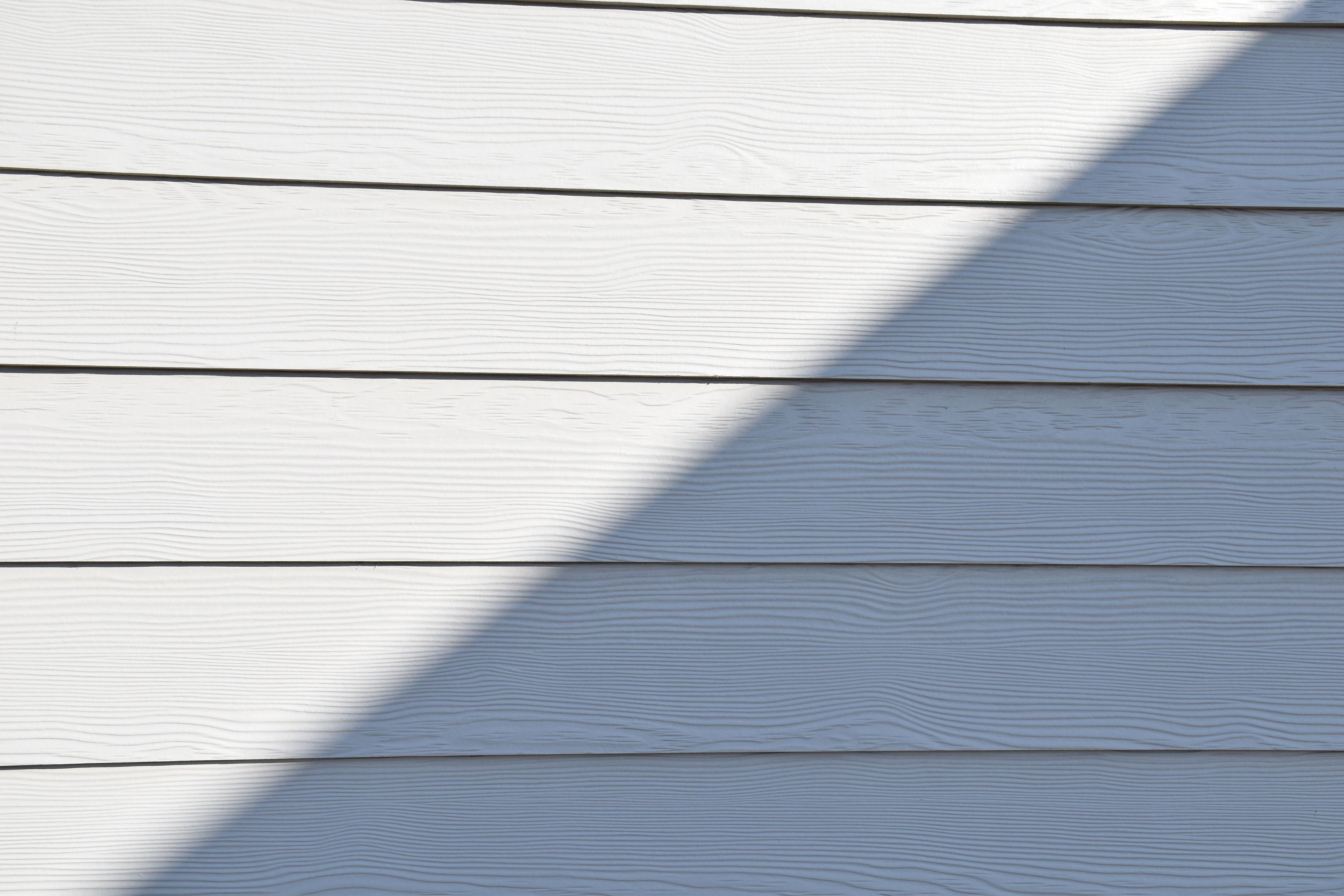
- Pros: Made of wood pulp and cement, it mimics wood perfectly while offering stone-like toughness. It holds factory paint exceptionally well and resists termites.
- Cons: It is a heavy material that requires professional installation tools and techniques.
3. Natural Wood
- Best For: Traditional, rustic, or historical aesthetics.
- Pros: Offers unmatched authenticity and warmth. Species like cedar or pine allow for multiple finish options.
- Cons: Demands periodic maintenance (painting or sealing) to prevent moisture or pest damage, and its initial cost is high.
4. Engineered Wood
- Best For: Homeowners wanting the look of wood with higher durability and a lower cost.
- Pros: Comes pre-primed in long lengths, which speeds up installation. Treated to resist fungi and insects.
- Cons: If inexperienced contractors don't follow installation guidelines, it can suffer from moisture damage over time.
5. Brick & Brick Veneer
- Best For: Maximum durability and a classic style.
- Pros: Virtually maintenance-free, excellent insulation, and fire resistance. Veneers achieve this look much faster.
- Cons: One of the most expensive options, requiring skilled masonry labor.
6. Stone & Stone Veneer
- Best For: Highlighting architectural details or main entryways.
- Pros: Unmatched natural beauty, sophisticated visual texture, and lifelong durability.
- Cons: Weight and installation costs can be high.
7. Stucco
- Best For: Specific architectural styles and dry climates.
- Pros: A monolithic, seamless surface that resists fire and insects very well.
- Cons: Can crack with structural movement and requires professional sealing to prevent moisture leaks.
8. Metal Siding
- Best For: Modern designs or high wildfire-risk zones.
- Pros: Extremely durable, recyclable, and immune to pests and water.
- Cons: Can dent from heavy impacts (like hail or stray balls) and requires solid thermal insulation behind it.
Frequently Asked Questions
How do you know it’s time for new siding?
If your siding has suffered severe storm damage, shows widespread rot, or if you are undergoing a major renovation (like replacing all your windows and doors), it’s the ideal time to modernize your home's exterior.
How to choose the best siding color?
Start by looking at your roof, as it typically stays in place for about 30 years. Aim to create a subtle yet appealing contrast between the body of the house and the roof. While many manufacturers offer virtual visualizers, we always recommend seeing physical samples in daylight.
How to find a good installer?
Always work with licensed and insured contractors. Ask friends and family for local references, and ensure the contractor has specific experience with the material you want to install.