info@lakevikingconstruction.com
 +1 (660) 218-1515



Composite Decking vs. Real Wood: Pros and Cons for Your Deck
Lake Viking Construction Team
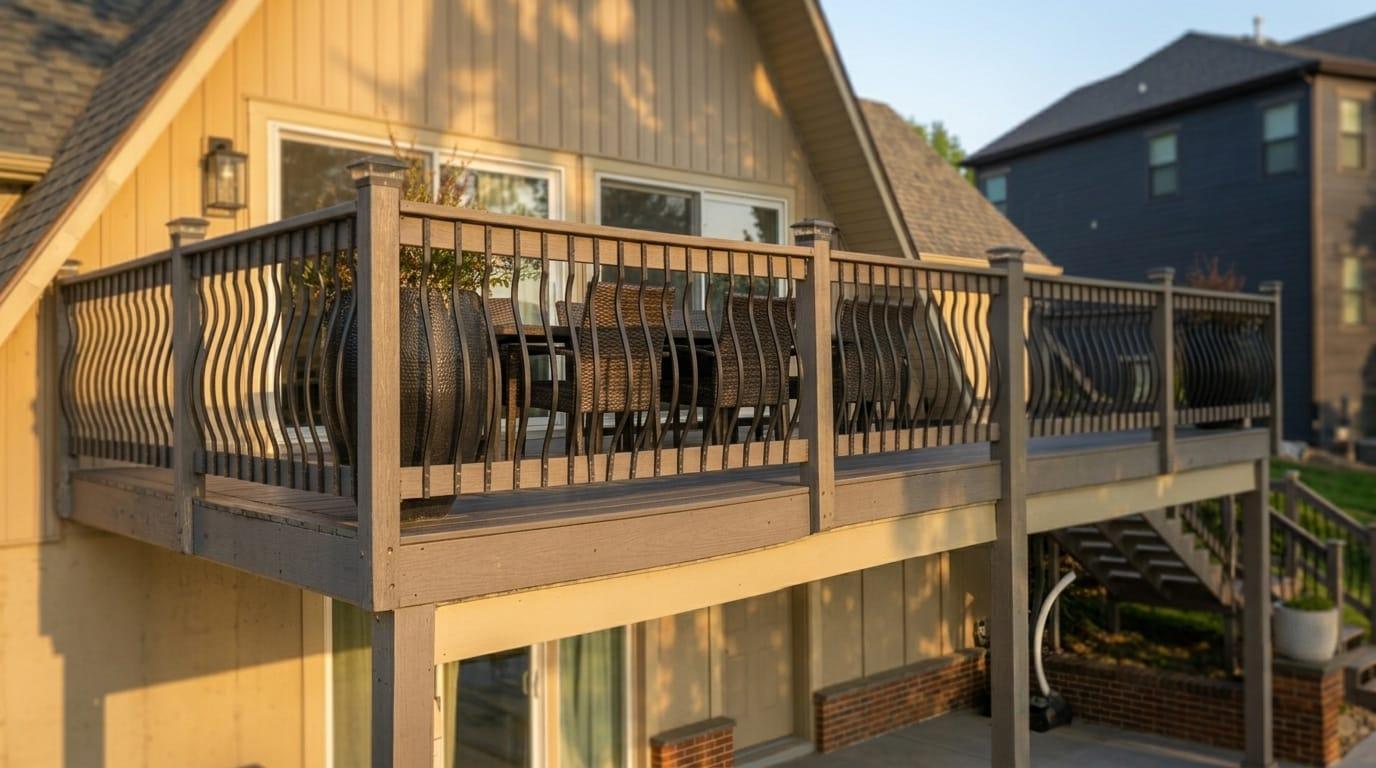
When planning a new deck, one of the biggest decisions is what material to use. For most homeowners, the choice comes down to composite decking or traditional wood.
Both can create a great-looking, functional outdoor space, but they differ significantly in cost, maintenance, appearance, and lifespan. Here are some of the main factors to consider when designing your ideal outdoor living area.
Composite Decking
Composite decking is typically made from a combination of wood fibers and recycled plastics. Products vary by manufacturer, but most are designed to provide the appearance of wood with significantly less ongoing maintenance.
Pros of Composite Decking
- Low maintenance: One of the biggest advantages of composite decking is that it does not require regular staining, sealing, or painting. Routine cleaning is generally all that is needed.
- Long lifespan: Quality composite decking is designed to resist rot, insects, and moisture damage. With proper installation and care, it can provide many years of reliable service.
- Consistent appearance: Composite boards are manufactured to provide consistent color and texture. Many newer products also do a convincing job of recreating the grain and appearance of natural wood.
- No splinters: Because composite decking does not splinter like traditional lumber can, it is a fantastic option for families who frequently walk barefoot on their deck.
Cons of Composite Decking
- Higher upfront cost: Composite decking generally costs more initially than common pressure-treated lumber. For a large deck, the difference in material cost can be significant.
- It isn't real wood: While composite products have improved considerably, homeowners who strongly prefer the unique look and feel of natural wood may still notice a difference.
- Heat retention: Some composite decking can become quite hot when exposed to direct summer sunlight, particularly darker-colored boards.
- Damage can be harder to repair: Wood can often be sanded or refinished, but if a composite board becomes badly scratched or damaged, replacing the individual board is usually the best solution.
Real Wood Decking
Wood remains a popular decking material because of its natural appearance and wide range of options. Pressure-treated lumber is generally one of the most affordable choices, while cedar, redwood, hardwoods, and other premium species can provide a very different look and price point.
Pros of Wood Decking
- Natural appearance: For many traditionalists, nothing quite replaces the organic look, texture, and character of real wood.
- Lower initial cost: Pressure-treated lumber typically has a lower upfront material cost than most composite products.
- Easy to modify and repair: Wood can be cut, sanded, stained, painted, and refinished. Individual damaged boards can usually be replaced relatively easily.
- More finishing options: Homeowners can change the appearance of a wood deck over time by using different stains or semi-transparent finishes.
Cons of Wood Decking
- Regular maintenance: Wood decking generally needs periodic cleaning, staining, and sealing to keep it looking pristine and protect it from the elements.
- Susceptible to deterioration: Depending on the type of wood and how well it is maintained, decking can eventually crack, warp, splinter, rot, or suffer insect damage.
- Long-term maintenance costs: Although wood may cost less initially, the ongoing cost of stain, sealers, repairs, and labor over the life of the deck should also be factored into your budget.
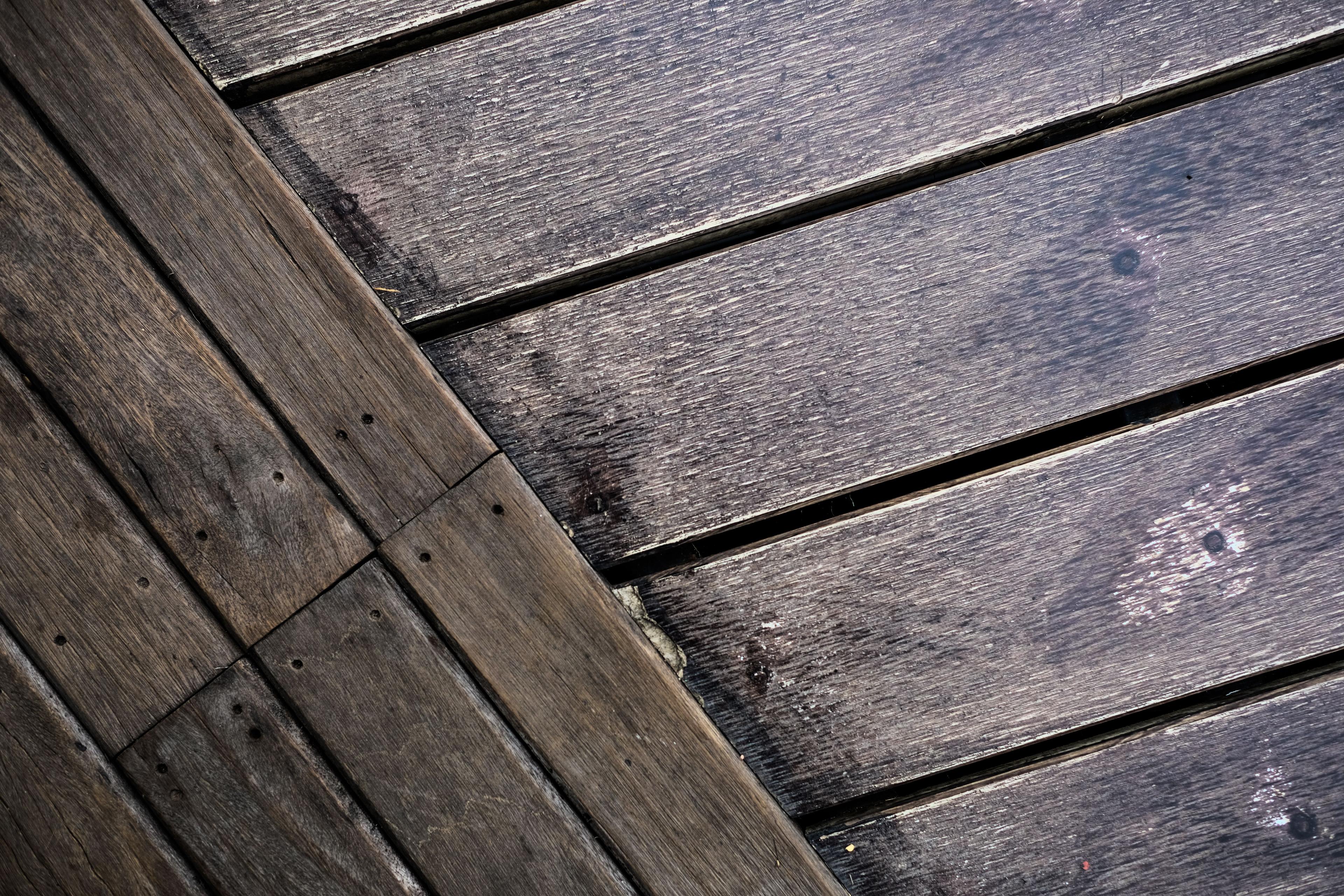
- Appearance changes over time: Sunlight and weather naturally change the color and condition of wood. Some homeowners love the weathered gray patina, while others prefer to maintain the original color through regular refinishing.
Which Is Better?
There isn't one right answer for every homeowner.
- Composite decking may be the better choice if you want a low-maintenance deck and don't mind paying a bit more upfront. It is particularly attractive for homeowners who would rather spend their weekends enjoying their outdoor space than staining and sealing it.
- Real wood may be the better choice if you prefer an authentic natural appearance, want to keep the initial construction cost down, or like having the ability to completely refinish your deck in the future.
The best choice ultimately depends on your budget, the aesthetic you want to achieve, how much maintenance you are willing to perform, and how you plan to use the space.